
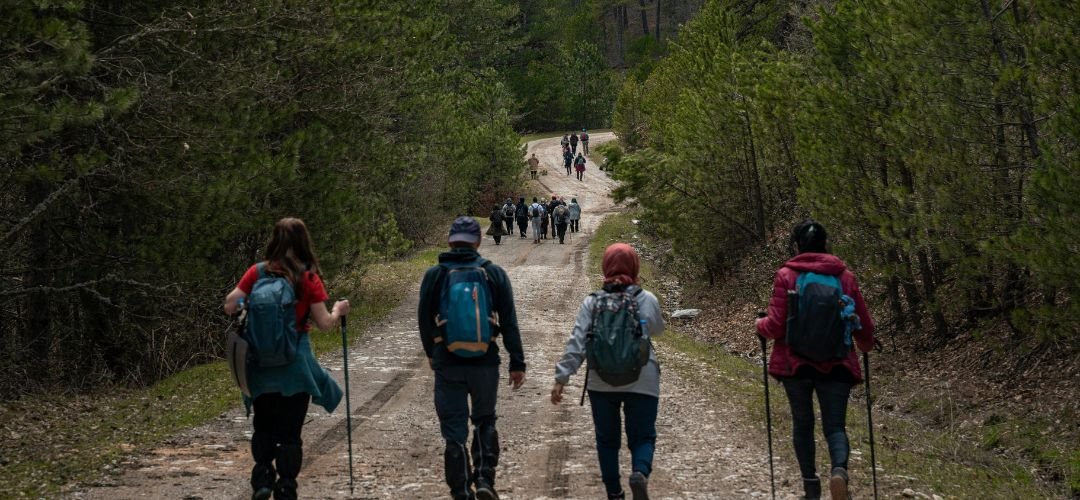
A 2021 study in the American Journal of Emergency Medicine followed day hikers and found that the people who carried more of the standard safety items reported fewer situations they could not handle. The gear most often needed was food, water treatment, and insulation. These are ordinary, cheap items, the kind left by the door and forgotten in the morning rush. Search and rescue teams report that close to half of their calls involve day hikers, and roughly a fifth come down to missing preparation. The pattern is consistent enough that a packing habit prevents most of it.
The Pattern Behind Forgotten Gear
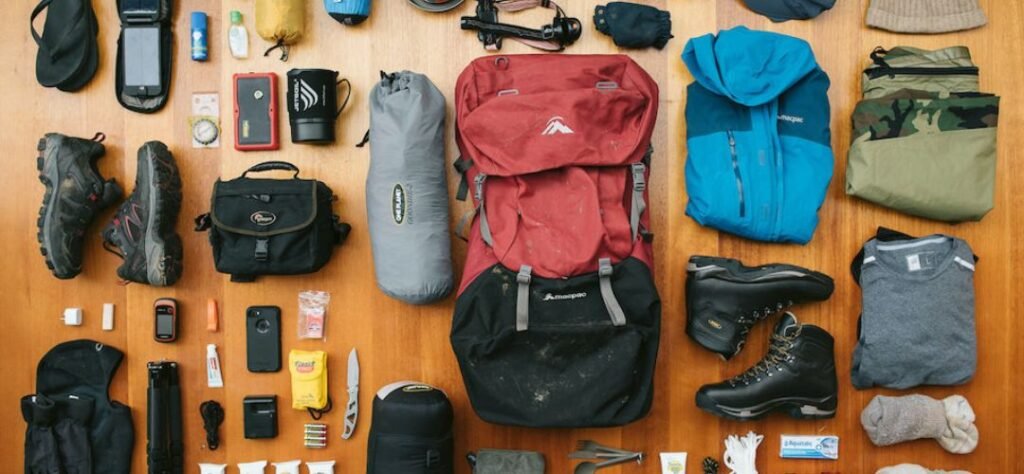
Forgotten items share a profile. They are small, they are inexpensive, and they get used only when something goes wrong. A water filter stays in the pack all day until the bottles run dry. A headlamp matters for 20 minutes at dusk and not a second before. Bug repellent ranks first on more than one survey of left-behind gear, because it feels optional until the mosquitoes arrive. The gear people remember is the gear they touch constantly, such as the pack, the boots, and the phone. The gear they forget is useful once per trip and stays invisible the rest of the time.
Packing under time pressure makes this worse. People assemble a kit the night before while distracted, and the mind skips the items it cannot picture using. A written list defeats this. Pilots run checklists for the same reason, and seasoned hikers keep using them long after the routine feels automatic. The checklist works because it does not rely on memory at the exact moment memory fails.
Water Treatment Backups
Most people pack water. Fewer pack a way to make more of it. The bottles that feel sufficient at the trailhead empty faster on a hot climb, and a dry stretch that should take an hour often takes far longer. A primary filter solves this until it clogs or freezes, which is why a second method matters. Chemical treatment tablets weigh almost nothing and treat several liters per bottle. They cost very little and fit in a pocket of the pack that otherwise holds nothing.
Most water problems come from relying on a single method. A hiker who carries tablets alongside the filter still has a way to treat water after the filter cracks on rock. Hollow-fiber filters also stop working once the internal membrane freezes overnight, and the damage stays invisible until the flow rate drops to nothing. A backup method turns a ruined filter into an inconvenience instead of a trip-ending problem.
Cutting Tools and Field Repair
A blade was on the original Ten Essentials list that The Mountaineers assembled in the 1930s, and it has remained on every edition since. The range of jobs explains why. A cutting tool opens food packaging, shortens cordage, trims moleskin for blisters, splits kindling, and handles small repairs that would otherwise end a trip early. Most backpackers carry a folding pocket knife or a multi-tool, which adds pliers and a driver for stove and pack fixes. Trips that involve splitting hard wood or processing game call for a sturdier fixed blade, and dedicated hunting knives handle that work better than a thin folder.
The blade is easy to buy and easy to misplace between trips. A knife pulled out for a kitchen task at home, or removed before a flight, ends up in a drawer while the pack goes out the door without it. The fix is mechanical. The blade belongs in the pack and goes back there after every use, and no other drawer or bag is allowed to hold it.
Light, Warmth, and Weather Protection
A headlamp matters for a short window each day. Most hikers leave the trailhead in morning light and plan to return before dark, and then the day takes longer than planned. A wrong turn, a slower pace, or a late start can push the last hour of walking past sunset. A phone flashlight drains the battery a hiker may need for an emergency call, while a dedicated headlamp with fresh batteries frees both hands and keeps the phone in reserve.
Weather protection fails the same way. People check the forecast, see no rain, and leave the shell at home. Mountain weather changes faster than valley forecasts predict, and a soaked hiker in wind loses body heat quickly even in summer. The early symptoms of hypothermia, such as shivering and fumbling hands, show up well above freezing once clothing is wet. A light rain jacket and a single warm layer cover the most common temperature problems on a trail. Insulation ranked among the most-needed items in the day-hiker study, ahead of much of the gear people treat as mandatory.
Navigation Tools Beyond a Phone
Phone mapping works until the device does not. The cold can drain a phone battery faster than most hikers expect, screens crack on rock, and signal disappears in canyons and dense tree cover.
A paper map of the area and a basic compass weigh almost nothing and need no power. Solid map and compass skills also outlast any device, because they force a hiker to learn the route instead of following a moving dot. The harder part to pack is the skill itself. A map helps only a hiker who can read it, so the reading practice belongs at home before the trip rather than on the trail during a storm.
First Aid and Foot Care
A blister ends more hikes than any serious injury. Feet support the full weight of the body and the backpack , and friction blisters form when damp skin rubs against a sock seam or a tight boot. Left untreated, a hot spot becomes an open wound within a few miles. A small kit with blister dressings, tape, and a few common medications covers most field problems. Extra socks belong in the same category. A dry pair turns a cold, wet foot back into a working one, and a spare pair doubles as emergency hand cover in a cold snap.
The first aid kit is another item people cut for weight and then need in full. The day-hiker study found that a kit for minor medical events ranked behind only food, water, and insulation in how often hikers reached for it. The lesson holds across the gear list. The items most likely to be skipped are the items a hiker needs on the worst day of the trip.
A Repeatable Packing Routine
The common cause behind forgotten gear is the packing process itself. Most hikers already know a headlamp and a filter matter. They lose those items to a method that depends on memory at the end of a busy day. A fixed checklist removes that dependency. The list stays with the pack, gets read line by line before every trip, and gives the cheap emergency items the same standing as the boots and the tent. The gear that ends trips is almost always small and cheap, and the habit that prevents those failures costs nothing beyond a few minutes at the kitchen table the night before a hike.








0 Comments